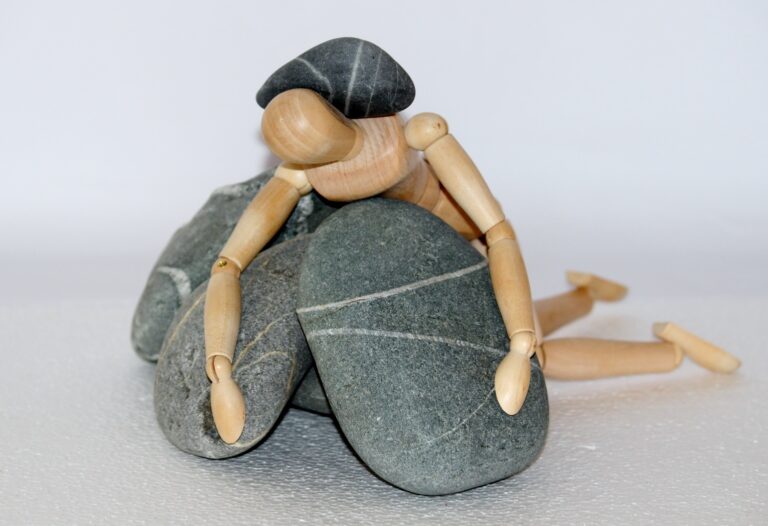


A quiet reflection for those who feel called to pause, to breathe, and perhaps read a little deeper…
Renewal after suffering
Easter and Passover, like other cultural and religious traditions and myths, can remind us of something deeply human. In the case of Easter, even the most painful endings can become the doorway to new beginnings, carrying hope, meaning, and transformation within them.
Only days ago, Ramadan invited, followers, reflection and purification. Now Easter, rooted in Passover, speaks again of suffering, loss, and renewal.
These stories are not just beliefs. They are mirrors of our lives. We all face endings, a relationship, a dream, a version of ourselves. At times, it feels like a quiet death.
Yet not all endings are final.
When we allow ourselves to grieve, to truly let go, something shifts. Not always better, not always easier, but new. A new beginning we could not see before.
In relationships, this may mean releasing resentment, softening the need to be right, and opening space for forgiveness. Often, we cannot do this alone. We need others, or a sense of meaning, to hold us as we heal.
For some, Easter brings faith in redemption. For others, it offers a powerful metaphor. Either way, the message is the same, something must end for something new to begin.
So gently ask yourself, what is ready to be released?
There may be tears. There may be silence. And then, slowly, life returns.
Like a seed resting in the dark soil, something unseen begins to grow.
We fall, we grieve, we rise again.
A personal note
I’m not writing this only from a theoretical place. I find myself learning to let go of parts of life that not only mattered but once defined me.
There is a quiet uncertainty in that. And also, a sense of wonder.
I sit with this time holding hope, trusting that I have, that we all have, what it takes to be surprised by something new.
I hope I can recognise it when it comes and gently welcome it into my life.
If this resonates, you may wish to continue reading.
Easter, Passover, and the Human Capacity to Begin Again
Only a few days ago, Muslims marked the end of Ramadan, a time of reflection, restraint, and purification. Now, Christians around the world celebrate Easter.
The story of Easter, built upon the older story of Passover, speaks deeply to the human experience. It is a story of suffering, death, transformation, and hope.
My intention is not to debate whether these stories are historically or theologically true, but to sit with them as meaningful narratives that reflect life itself.
In the Easter story, a man is persecuted, subjected to violence, and ultimately executed in one of the most humiliating ways of his time. Yet within three days, he rises again, bringing the promise of new life beyond death.
This mirrors something deeply human.
We all suffer, alone and together. Through our own mistakes, the actions of others, or the unpredictability of life. At times, the pain feels unbearable, and we are brought face to face with endings, the end of a relationship, a phase of life, a hope we carried, or the loss of someone we love. These moments can feel like a kind of death.
Yet not all deaths are final.
When we can accept these endings, grieve them fully, and let them go, something new can emerge. Not necessarily better, but different. Life quietly offers us the chance to begin again.
Losing someone can feel like losing a part of ourselves. Yet through mourning, their presence can transform. No longer only a wound, but a quiet companionship within us.
In relationships, this may mean accepting that what once was is no longer. We are invited to begin again from a different place, one less burdened by resentment or the need to be right. This often requires a kind of inner purification, through forgiveness, understanding, and acceptance.
These are not easy paths to walk alone. At times, we need the presence of others, a wise friend, a therapist, or a sense of faith to hold us as we move through pain.
For Christians, Easter speaks of redemption, of being freed from guilt and shame through love.
For others, it remains a powerful metaphor, a reminder that every ending carries within it the possibility of a new beginning.
We see this echoed in many paths of healing. In the Twelve Steps, for example, there is a recognition of what is no longer life giving, and the courage to let it go. Something must end for a new way of living to begin.
So we might ask ourselves,
- What am I suffering?
- What in my life is coming to an end?
- What do I need to allow to die, perhaps something that should have ended long ago?
There may be tears. There may be grief. There may be words that need to be spoken, I’m sorry, forgive me, I forgive you.
Only after we allow ourselves to cry do we begin to soften.
And then, in time, something like resurrection emerges. Not because we have earned it, but because it is part of life itself.
A seed must rest in the dark before it can grow.
If we are ready, we can embrace this quiet invitation to transform.
Or we may turn to Passover, where after a time of bondage, there is a crossing into freedom. A reminder that we too can say, once I was bound, and now I am free.
Life moves in cycles. There may be many endings, many small deaths. Yet within us remains a quiet, enduring capacity to begin again.
Happy Easter. Happy Passover